
EMDR
Evidence-based therapy designed to process traumatic memories, reduce the emotional charge of painful experiences, and free you from patterns that trauma has created.
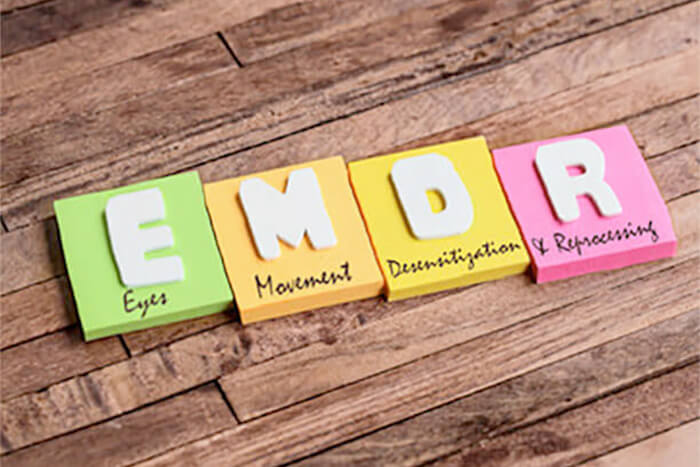
What is EMDR?
Eye Movement Desensitization and Reprocessing (EMDR) is a highly structured, evidence-based therapy that helps people recover from trauma, PTSD, and other distressing experiences. Developed by Dr. Francine Shapiro, EMDR uses bilateral stimulation — typically eye movements — to help the brain process stuck traumatic memories and integrate them in a healthier way. This approach bypasses the verbal limitations of traditional talk therapy, reaching trauma stored in the body and nervous system directly.
What We Help With
-
1Process Traumatic MemoriesDesensitize and reprocess distressing memories so they no longer trigger overwhelming emotional or physical responses.
-
2Reduce PTSD SymptomsAlleviate flashbacks, nightmares, hypervigilance, and avoidance that follow traumatic experiences.
-
3Release Negative BeliefsTransform core negative beliefs about yourself — 'I am not safe', 'I am worthless' — that trauma has installed.
-
4Reduce AnxietyAddress anxiety rooted in past experiences that continue to activate the nervous system in the present.
-
5Heal Attachment WoundsProcess early relational trauma and neglect that shapes adult relationships and self-worth.
-
6Restore Nervous System RegulationHelp the body release stored trauma and return to a baseline of calm and safety.
Our Therapeutic Approaches
Is EMDR Right for Me?
EMDR is recommended by the World Health Organization, the American Psychiatric Association, and the VA/DoD for the treatment of PTSD. It has strong evidence for trauma, PTSD, anxiety, phobias, grief, and performance anxiety.
EMDR does not require you to talk in detail about distressing events — the processing happens largely through internal experience guided by bilateral stimulation. Many clients find this less confronting than traditional talk therapy for trauma.
EMDR — FAQs
No — one of EMDR's key advantages is that you do not need to describe traumatic events in detail. The processing happens internally while the therapist guides you through bilateral stimulation. Many clients find this a significant relief.
This depends on the complexity of the trauma. Some clients process a single incident in a few sessions. Complex or developmental trauma typically requires longer treatment. We'll assess this together at the outset.
Yes. Research supports the effectiveness of online EMDR using visual bilateral stimulation delivered via screen. Our EMDR therapists offer telehealth sessions for clients throughout California and New York.
No. EMDR is effective for anxiety, phobias, depression, grief, performance anxiety, attachment wounds, and any experience where a past event continues to affect present functioning.
Trauma doesn't have to define the rest of your story.
Schedule a free 15-minute consultation — no commitment required.