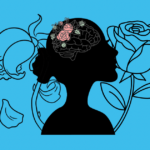
While the French translation of retirement is “withdrawal,” this step does not have to be as simple and isolating as its origins suppose. The official age of retirement in the U.S. is 65, but many put off this step as long as possible; it seems to mark the end of something rather than the beginning. It doesn’t have to be this way though – reframing how we view retirement can help us see the opportunity, freedom, and excitement that accompanies a new chapter in life.
Why are people so afraid to retire?
Many individuals have invested deeply in their work and take great pride in their accomplishments. Work often provides more than a paycheck–it gives us identity, purpose, and meaningful social connections. Work provides a structure to our weeks – a reason to wake up early and get the day started. Through work, individuals connect with co-workers and develop meaningful relationships. So, when that structure disappears, it can leave a void. It’s not just the job that ends–it’s the routine, the daily social contract, the sense of achievement. That’s a lot to walk away from.
Loss of identity
For some, retirement may feel like stepping into the unknown. A person’s career can significantly shape how they view themselves and how others perceive them. Often individuals define themselves by the role they hold in their workplace setting — after all work can take up a large proportion of an individual’s day, and thus be where they draw much of their validation from.
If career was a primary source of how individuals perceive themselves, changes in an individual’s career path, such as a retirement, can lead to an identity crisis. How do I define myself if not for my job? Especially if an individual’s work and home life have been strongly meshed together, it can be challenging to separate one’s identity from work.
Retirement can also uproot people from the comfort of their routine, which can be unsettling. Without such a big chunk of time no longer dedicated to work, individuals may feel overwhelmed with the abundance of free time and authority they have over how they spend their days. The freedom can even be anxiety-producing – the fear of “wasting time” can be paralyzing.
Redefining your purpose and identity
The good news is that retirement doesn’t have to be an ending – it can be an opportunity to redefine what brings meaning to your life.
- Volunteering is a powerful way to stay connected and feel purposeful, which can combat feelings of loneliness or depression. While volunteering helps for the obvious reasons, in providing support to your greater community, it can help the individual who is doing the work in many ways as well. Feeling as if you are working towards helping a cause bigger than yourself can provide the feeling of purpose that your job once did.
- Mentoring is another rewarding way to spend your time. When individuals retire, they take with them all the knowledge and experiences they have accumulated over the years. They also take with them their living experiences – what they’ve learned in the relationships they’ve built, their career, working with others, and managing their lives balancing work and home. Mentoring in many ways can be like volunteering, but in a more personal and intimate setting. It can help you feel like you are doing something meaningful with your time by providing others with different pieces of advice. Also, it may be a chance for you to learn from the younger generation – as they are experiencing the world in a much different time than you did, and may have valuable insights you can apply to your own life.
- Passion projects and new hobbies are finally within reach. These projects are more self-directed initiatives that may be drawn from your own personal interests or curiosities. This can range from writing a novel to starting a blog to doing some form of artistic expression. It is time for you to do that thing you have always been passionate about but did not align with your career tasks.
Health and wellness
With work behind you, it is a perfect chance to focus on your mental and physical well being. Engaging in activities that challenge your mind – such as learning a new language or taking a class or reading – can keep life interesting, and your mind sharp. Growth and learning don’t have to stop when work ends—in fact, continuing to challenge yourself can help life feel vibrant and engaging.
Staying physically active can also help your mental and physical health. Regular exercise can boost your mood and help regulate stress levels. The time that you once had dedicated towards your job can now be redirected to take care of your body and prioritize your health – two things are especially important as you get older.
Social environment and relationships
A lot of socializing happens at work – chatting with someone in the office next to you, going to get dinner after a long day at work, or attending world-related events. Without these built-in interactions, it’s easy to feel isolated. That is why it is so important to build a new social rhythm. Whether this be a book club, playing mahjong nightly with your friends, social connection is key to emotional health.
This is also time for you to rebuild or strengthen your personal relationships that might have lost your attention when you were at work. Go get coffee with that friend you haven’t seen in awhile. Take advantage of the time you have to strengthen those relationships with your family or your friends.
Spending time with your friends or family could even come in the form of traveling. A lot of people take time during retirement to travel – and for a good reason. Traveling offers a break from daily routines, which can significantly reduce your stress levels. New environments and experiences can also enhance mental clarity – almost serving as a reset in your mind.
After retiring you have arguably more freedom than you have ever had in your life. Old enough to make your own decisions unlike your teens. Financially more stable than you were in your 20’s. Less ties down with kids or a job as you were in your 30’s, 40’s, and 50’s. Retirement should be an exciting opportunity in your life to focus your attention on the things that matter the most to you, or the things that excite you. Retirement isn’t just a closing chapter. It’s an open invitation to live on your own terms.