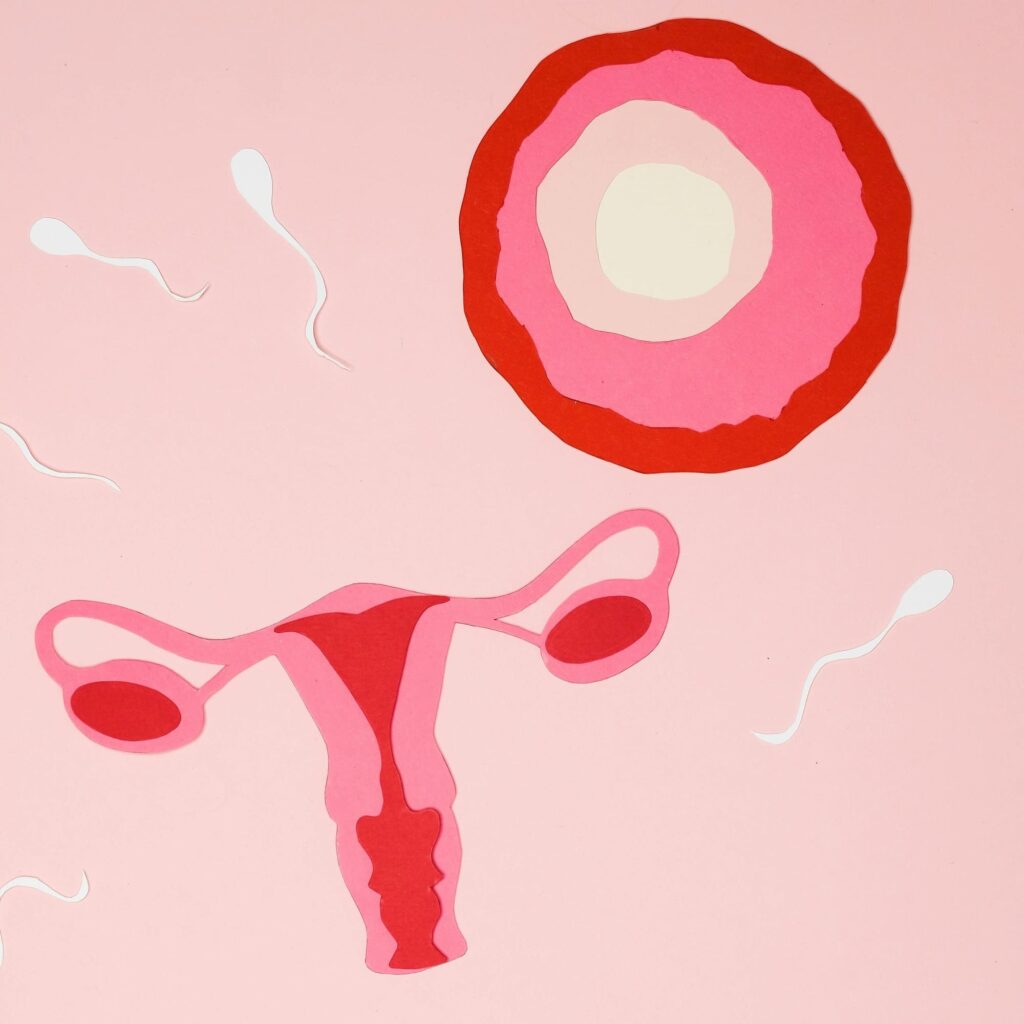
It was not until well into my undergraduate career at UCLA that I learned the menstrual cycle had four distinct phases—or that there was only a roughly six-day fertility window each month to get pregnant. Likewise, it was only after experiencing hypothalamic amenorrhea (the loss of a period for more than three months) that I discovered a startling reality: women reach peak bone density in their mid-20s, and after age 30, it gradually begins to decline—and all of this is directly tied to hormone health.
These realizations, which came embarrassingly late in my college education, mirrored many of the points addressed by reproductive endocrinologist Dr. Jaime Knopman and Rebecca Raphael in their book Own Your Fertility: From Egg Freezing to Surrogacy, How to Take Charge of Your Body and Your Future, which has been a large inspiration for this article. This discussion expands upon and reemphasizes several of the key topics she identifies as essential for making “The Talk” more holistic and comprehensive for young people today.
Egg-freezing
Egg-freezing has unlocked the ability to “pause” our biological clock, giving women more autonomy over when—and with whom—we decide to get pregnant than ever before in history. This form of assisted reproductive technology (ART) involves a round of hormone therapy over a 10–12 day period to help harvest and extract a larger number of mature eggs in a single time frame. Once extracted—via a short, 20–30 minute medical procedure—the eggs are “frozen” through a process called vitrification and stored in an embryology lab. Alongside in vitro fertilization (IVF), egg-freezing, as Dr. Knopman points out, demonstrates that there are multiple ways to build a family. It provides a valuable alternative for those struggling with fertility, those in same-sex relationships, or anyone who wants to have a family on their own terms.
Painful periods shouldn’t be the mainstay
Another issue not talked about enough is the presence (and concern) of recurring pain during menstruation. More often than not, complaints of cramps during “that time of the month” are brushed off. However, painful menstruation shouldn’t be ignored—it can signal an underlying issue such as polycystic ovarian syndrome (PCOS), endometriosis, or ovarian cysts, which can be identified by seeing an OBGYN and undergoing an ultrasound or pelvic screening. Conditions like endometriosis and PCOS affect nearly 10% of women worldwide, with up to 70% of cases undiagnosed.
Depending on the state, free and low-cost sexual health clinics are available to adolescents and young adults, offering services including low-cost gynecological exams, birth control options, and confidential medical advising. College universities often offer similar resources, as well as contraception counseling, STI testing, and referrals for specialized care.
Sex education should emphasize that young people have resources available to them and that they don’t have to suffer in silence or navigate sexual health concerns alone.
Prioritizing bone density
Equally important to teaching sexual health is helping women understand how hormone health affects bone density.
Few people recognize that female bone mineral density (BMD) is only accrued in adolescence (ages 11–14) and early adulthood (18–25), with maximum density peaking around age 25. After this age, bone density begins to gradually decline, increasing the risk for osteoporosis in later life, especially during menopause when estrogen levels dramatically drop. To maximize starting BMD, limiting caloric and energy deficits in the growing years is crucial; likewise, maintaining a healthy body mass index (BMI) for weight and height can help ensure regular menstrual cycles and proper hormone fluctuations.
It’s important to recognize that adolescents who engage in disordered eating—and even those who don’t restrict caloric needs purposefully, such as high-level female athletes whose sports demand elevated energy expenditures—are at an increased risk of harming bone health and developing osteoporosis.
Educating young women on bone density, emphasizing best practices, and looking out for warning signs of eating disorders or relative energy deficiency in sport—commonly referred to as RED-S—prioritizes young girls’ health for decades to come.
If you’re looking to read more about how modern sex education could be revamped—or simply wish to better understand mainstream fertility practices—board-certified reproductive endocrinologist Dr. Jaime Knopman and Rebecca Raphael’s book offers a valuable perspective.